The code assembles.
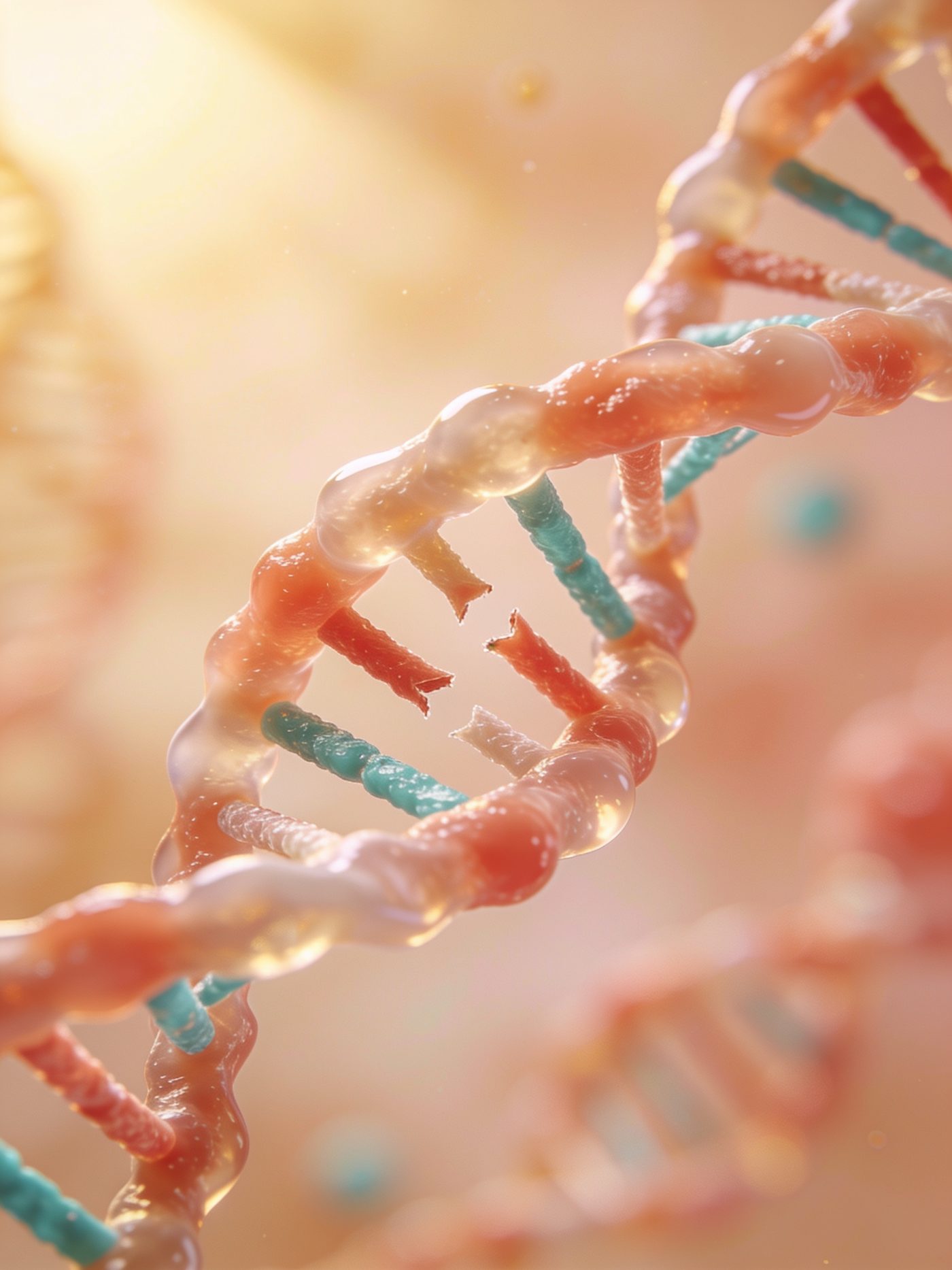
Every cell carries the same instructions, written in a double helix of DNA.
01 — Science
Aging isn't one thing breaking. It's a handful of linked processes that feed each other. Scroll to watch the code decay and recover.
Every cell carries the same instructions, written in a double helix of DNA.
Breaks and drifting marks pile up until the cell can no longer read its own code cleanly.
Our programs aim at the damage itself, not the symptoms it causes later.
Readable code, healthy copies. That's the goal we measure everything against.
The idea in one paragraph
The genetic code in an old cell is mostly intact. What wears out is the cell's ability to use it properly. Repair, regulation and energy slowly drift off course. Our bet is that if you correct the drift, function comes back.
DNA gets nicked and repaired constantly. The repairs are good but not flawless, and over decades the leftovers add up.
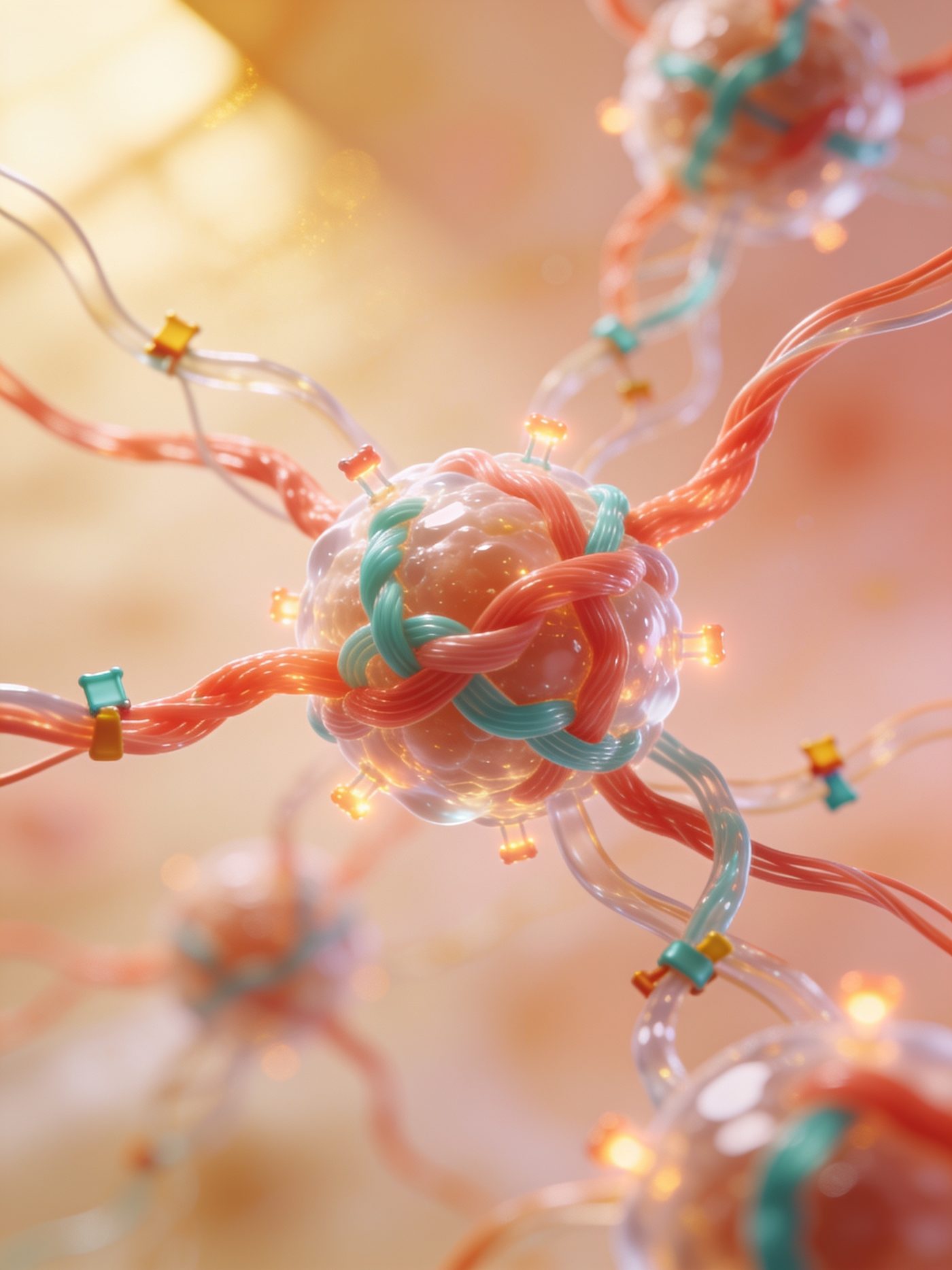
Chemical tags decide which genes are on or off. With age those tags slip, and cells slowly lose track of what they're meant to be.
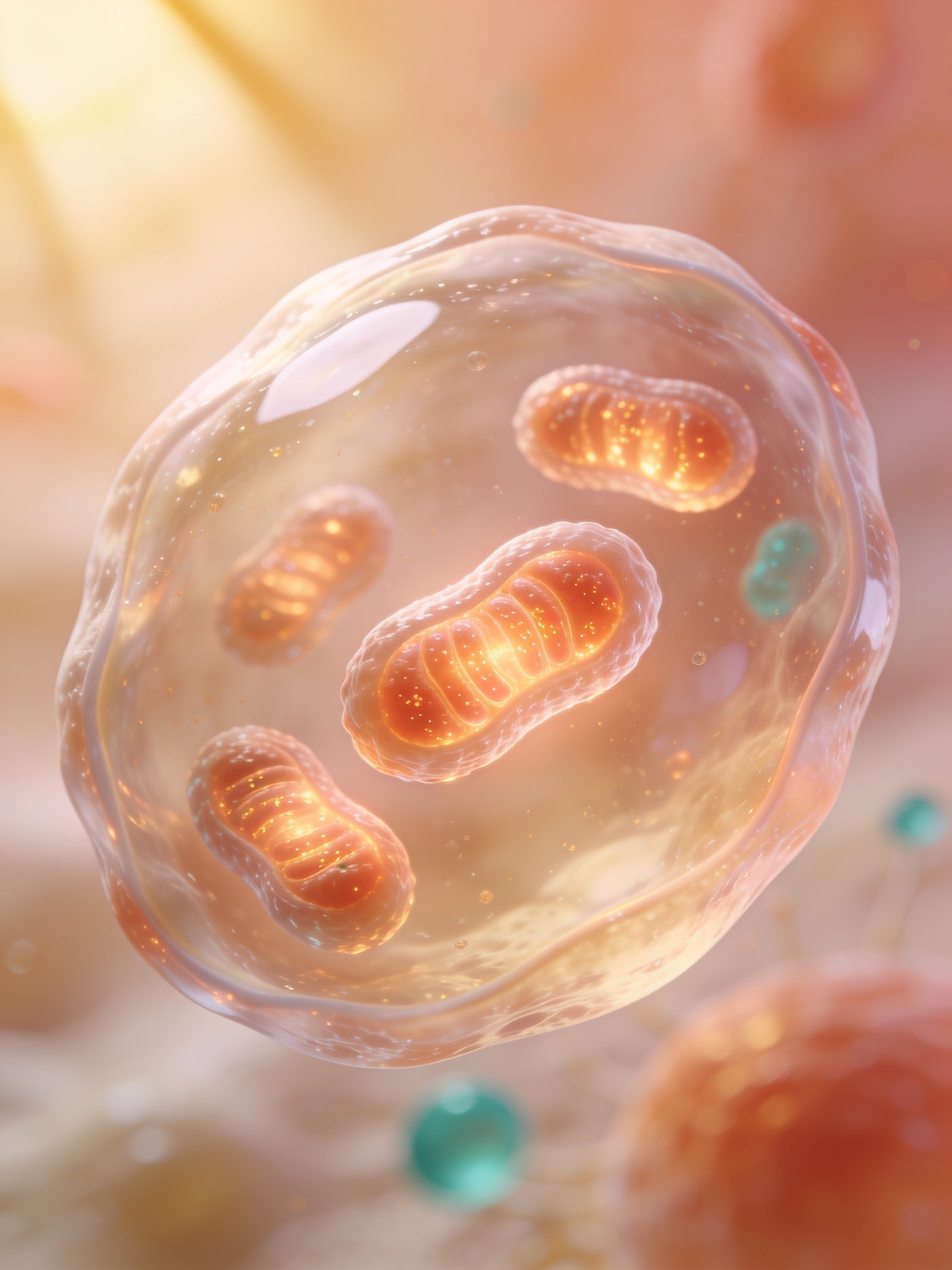
Mitochondria make less energy and more waste as the molecules that fuel them decline. Low energy makes the first two layers worse.
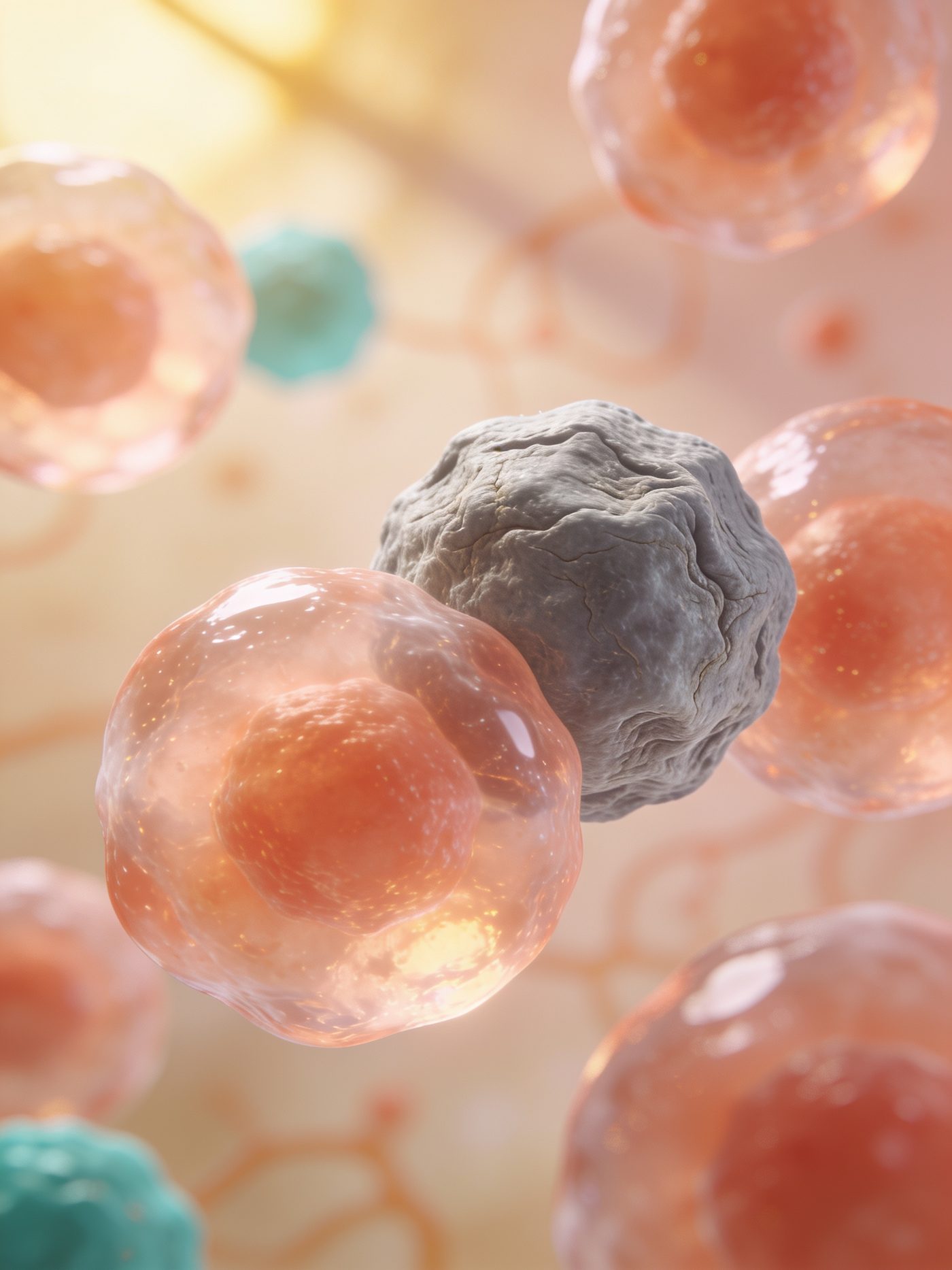
Some cells stop dividing but don't clear out. They release inflammatory signals that nudge their neighbours to age too.
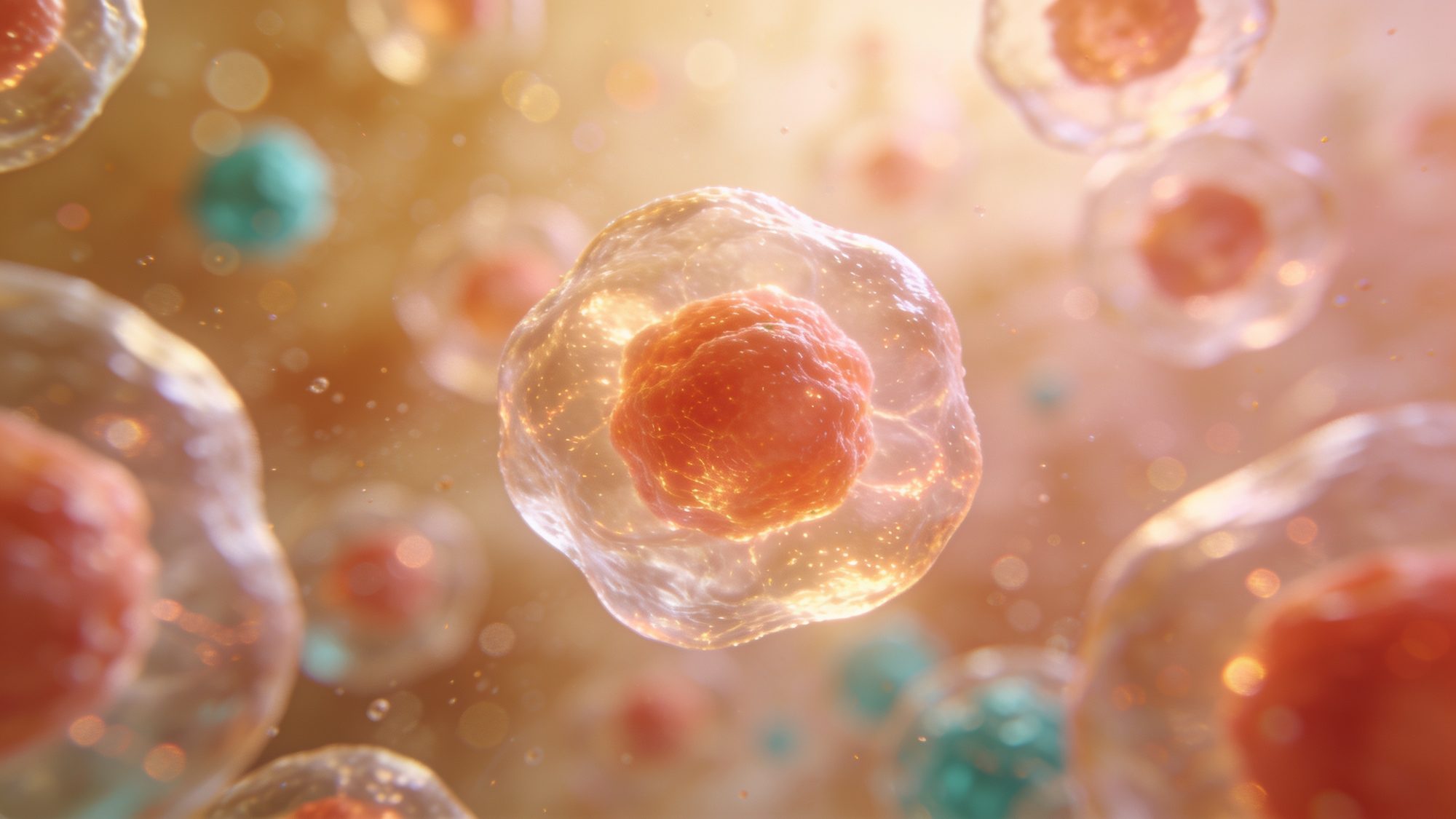
Fix the drift, and the cell remembers what it was built to do.
The field so far
A few of the discoveries that made aging something you can study in a lab. Drag to scroll through them.
How we keep score
We score every candidate against several biological age markers at once. One improving marker isn't enough; we look for movement across all of them.
Our in-house clock model is built for fast read-outs, so a small team can test more ideas.